
 Sold
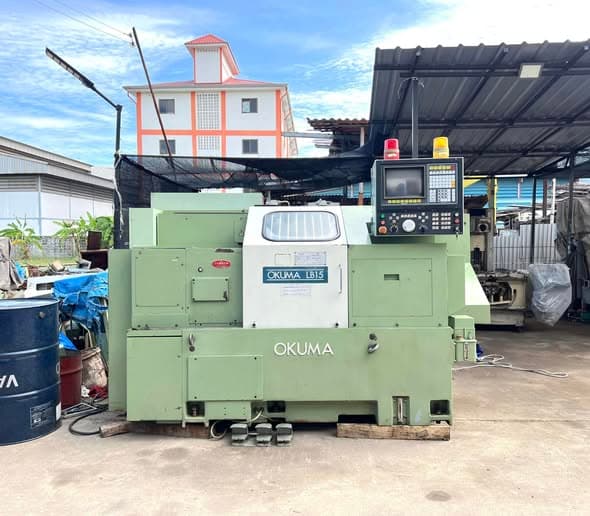
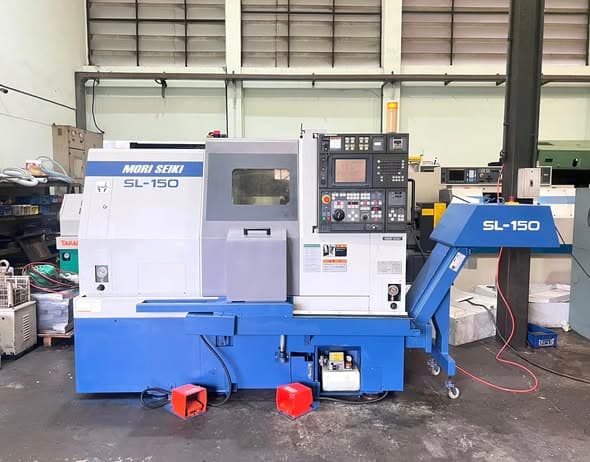
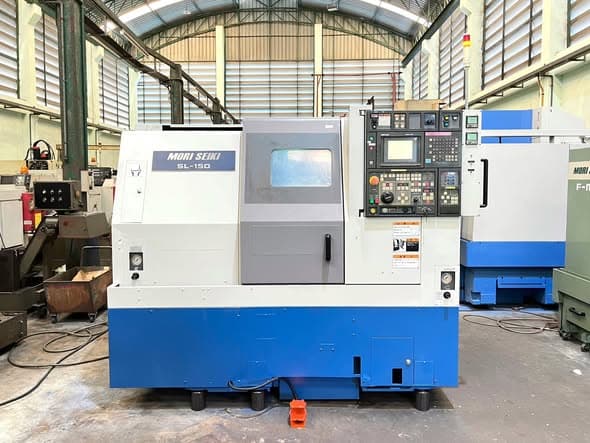
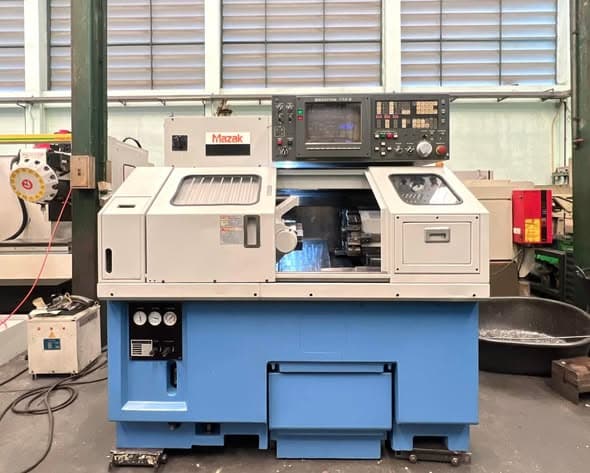
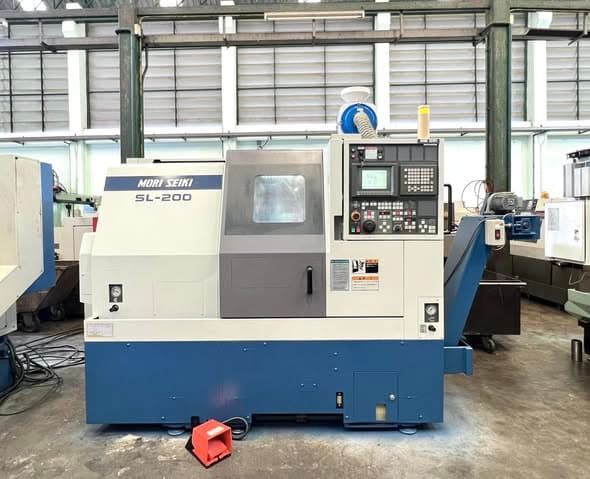
Used MORI SEIKI CL-25A Lathes
- Brand
- MORI SEIKI
- Model
- CL-25A
- Year
- 1998
Sold
3 machines in stock
Browse Lathes with machine photos and specifications.
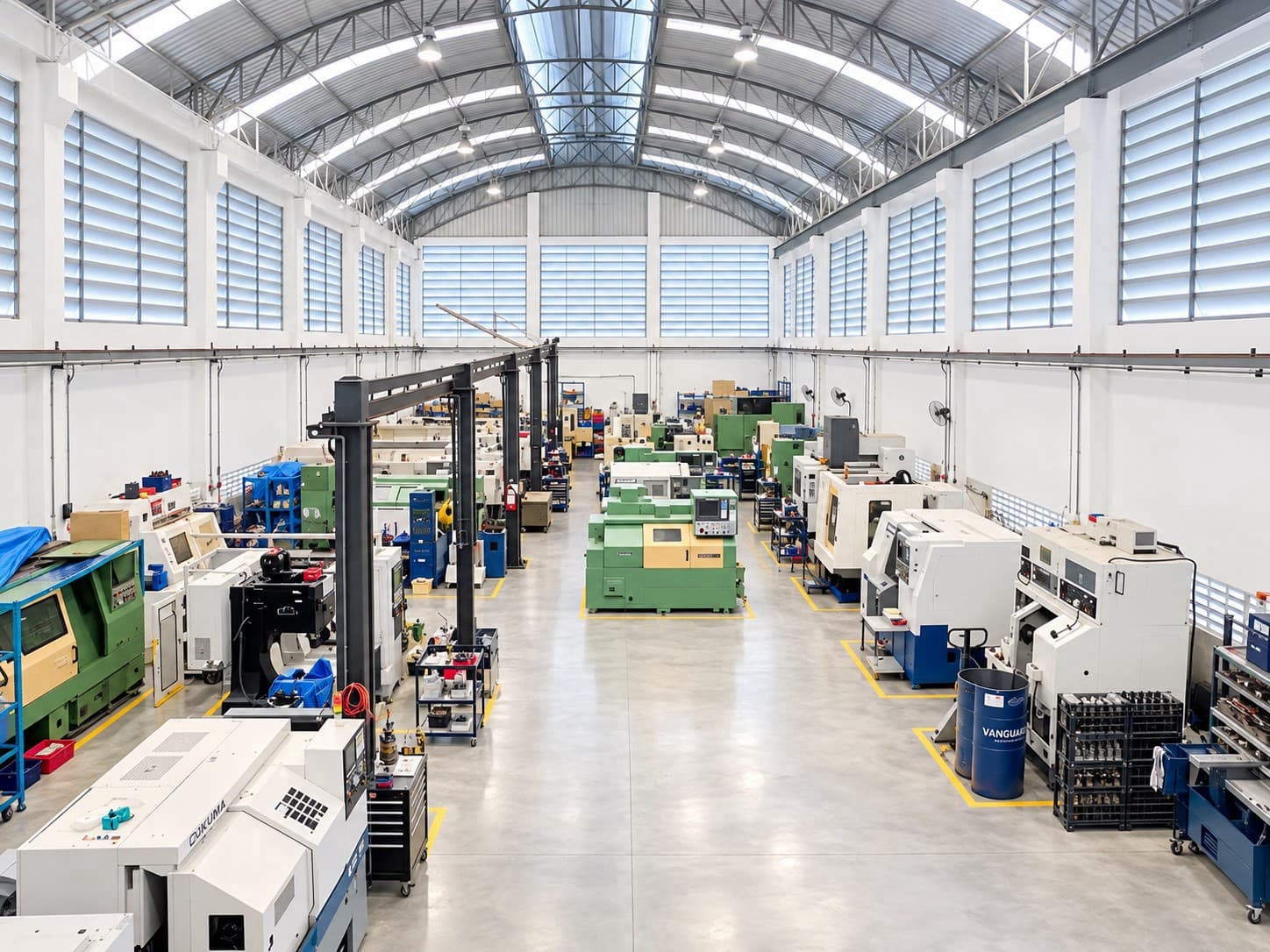
Kept online as a record of what has come through. Ask us if you want a similar model and our sourcing team will look for one.
SoldSold
 Sold
Sold
 Sold
Sold
 Sold
Sold
 Sold
Sold
 Sold
Sold
 Sold
Sold
 Sold
Sold
 Sold
Sold
 Sold
Sold
 Sold
Sold
 Sold
Sold
 Sold
Sold
 Sold
Sold
 Sold
Sold
 Sold
Sold
 Sold
Sold
 Sold
Sold
 Sold
Sold
 Sold
Sold
 Sold
Sold
A lathe is a machine tool that spins the workpiece around its own axis while a cutting tool moves in to remove metal one layer at a time. It produces shafts, bushings, flanges, piston sleeves and threads of every kind. Almost every job shop in Thailand starts its production line with a lathe before any other type of machine.
The first is the manual centre lathe, controlled entirely by hand. It suits repair work, one-off parts and jobs that change often. The second is the CNC lathe, driven by a program, which repeats accurately and runs far faster on batch work. The third is the facing lathe, built for large but shallow parts such as flanges and wheels.
Look first at the swing over bed, which tells you the largest diameter the machine will hold, and the distance between centres, which tells you the longest part it will take. Small lathes bought for a shophouse workshop usually swing no more than 300 mm. Factory lathes that can run all day start at 360 mm and up. Choosing a lathe smaller than the work actually requires is the single most common reason a buyer has to replace the machine within two years.
Used lathes that have run in Japanese factories are usually serviced on schedule and have their parts replaced on time, but condition varies widely from machine to machine. These six points are what to check and ask about before you decide.
Measure the largest and longest part you genuinely took on over the past year, then allow another 100 to 150 mm for the chuck and the tailstock. That figure is the minimum distance between centres you need.
Almost every factory-grade lathe runs a three-phase 380 V motor. If your site only has single-phase domestic power, budget for a transformer or a phase-converting inverter from the start.
Ways worn into grooves will taper your work in a way you cannot correct. Check by measuring backlash on the cross and longitudinal axes. More than 0.1 mm means you should budget for a re-setting job.
Controls that can still be serviced and sourced in Thailand are FANUC, Mitsubishi and OKUMA's OSP. If the control is very old or from a brand that has stopped production, ask where the screen will be repaired when it fails.
Three-jaw chucks, four-jaw chucks, tailstocks, tool turrets and coolant systems each cost a great deal on their own. A cheaper machine that arrives without tooling usually ends up costing more in total.
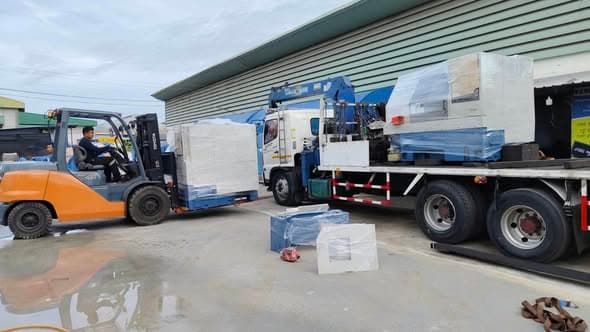
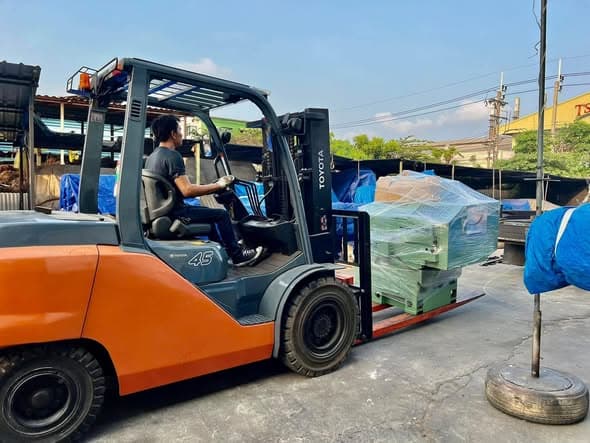
Factory lathes weigh from one tonne to over five. Check entrance width, door height and floor loading before you order. MITSUWA moves and installs machines nationwide.
Most factories buy used lathes with machinery credit or leasing from a bank or leasing company, using the machine itself as security. What the seller has to provide is a quotation, the machine details and the import documents, so the buyer can attach them to the application. The credit limit and the number of instalments depend on the financial institution that approves it. Contact our sales team to request this document set.
Some small lathes with motors under about 1.5 kW will run on single-phase 220 V, but almost every factory-grade lathe from 4 feet upward uses a three-phase 380 V motor. If your site only has domestic power, the options are a phase-converting inverter or a three-phase supply from the utility. Both cost money that belongs in the budget while you are still choosing the machine.
Prices in the Thai market fall into three bands. Small 3 to 4 foot lathes run roughly 40,000 to 150,000 baht. Factory-grade 5 to 6 foot centre lathes run roughly 150,000 to 500,000 baht. Japanese CNC lathes start around 600,000 baht and reach several million depending on size and age. Machines advertised at 40,000 baht do exist, but almost all of them are very small units or new Chinese machines, not factory-grade Japanese lathes.
The figure in feet is the approximate bed length, which sets the distance between centres you can actually use. A 4 foot machine holds work about 700 to 800 mm long; a 6 foot machine holds about 1,000 to 1,200 mm. Choose from the real length of your work plus another 100 to 150 mm for the chuck and tailstock. A longer machine takes more floor space and weighs more, but it will not make short parts any more accurate.
Buying direct from the owner is usually cheaper, but the buyer carries every risk: inspection, transport, installation and whatever goes wrong after delivery. A dealer who imports the machine inspects it and test-runs it before handover, holds the complete import documents needed for a credit application, and stays responsible for moving and installing it. The price difference is the cost of risk the buyer does not have to carry.
Tell us the working size and control system your line needs. Our sourcing team in Japan checks incoming stock every week and reports back when a match arrives.
